Electricity Bills Are Up 29% Since 2022. Here's the $39 Weekend Project a Lot of DIYers Are Trying Right Now.
It won't unplug you from the power company — and it doesn't claim to. But it's cheap, it's legal, and it's based on an idea that's over a century old. That's exactly why people are curious enough to test it themselves.
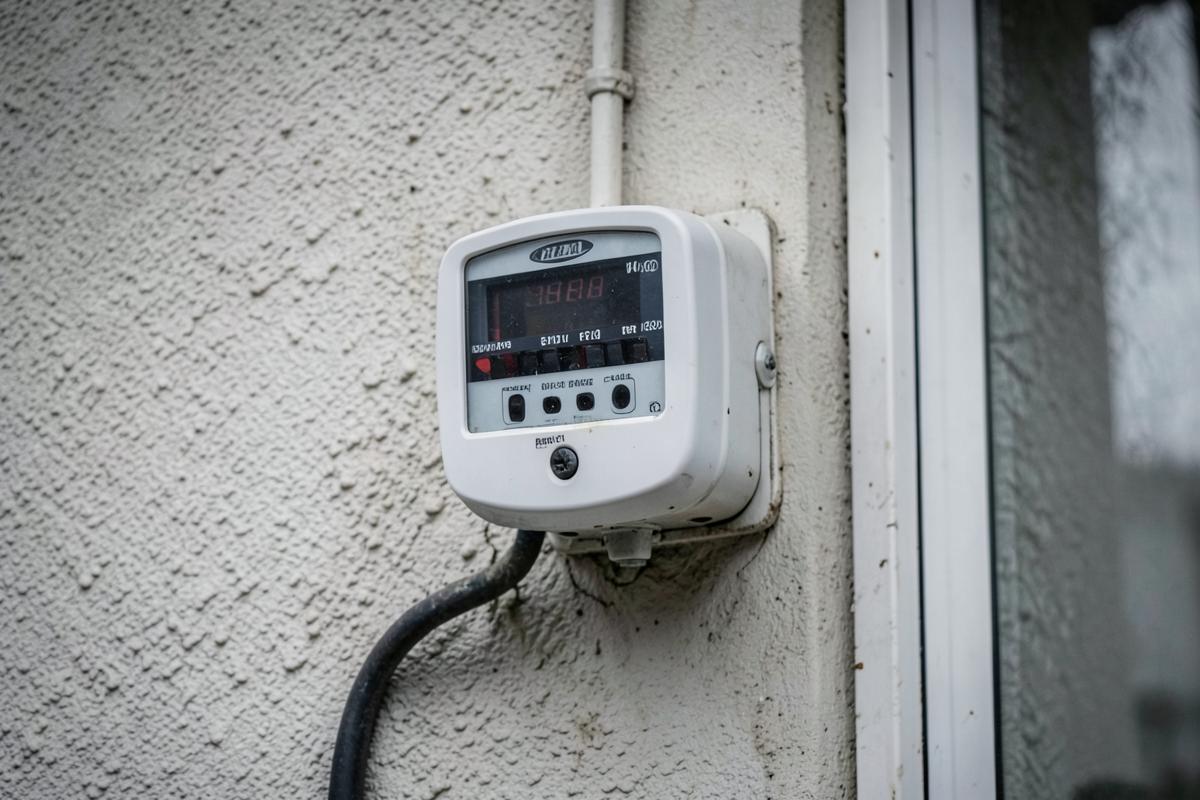
The real number behind this
The average U.S. household now pays $166 a month for electricity — up 29% since 2022, or roughly $440 more a year than four years ago. Rates went up; most paychecks didn't.
So it's not exactly a surprise that "DIY power" and off-grid experiments have become one of the fastest-growing hobby categories on YouTube and Reddit this year. Nobody serious is claiming you can quit the grid. People are just tired of feeling like the bill is completely out of their hands.
What people are actually building
One project that keeps coming up traces back to an electromagnetic coil design from the 1890s — long before modern utilities existed. A small but growing community of hobbyists has been building their own versions at home with parts that mostly come from a hardware store, and posting what happens when they test them.
To be clear about what this is: it's not a commercial device, and nobody credible is claiming it will run your central air. It's sold as exactly what it is — a step-by-step digital blueprint for an experimental build, priced at $39, aimed at people who like building things and want to see the concept for themselves.
Be skeptical — we were too
If you've seen ads promising to "cut your bill by 80%" or claiming the utility companies are "hiding" something — be skeptical of those. The manufacturer's own terms are upfront that this is an experimental project, not an independently certified power system, and that results depend on how it's built and used. We're telling you that plainly because you should know it before you spend a dollar.
What made this worth a second look wasn't a miracle claim — it was the price and the guarantee: $39, with 60 days to try it and get a refund if it's not for you. For a weekend project, that's a low bar to clear.
See the actual build before you decide
The full walkthrough — parts list, instructions, and the reasoning behind the design — is laid out in a short video. It's about 10 minutes, and it shows you exactly what's involved before you'd ever spend anything.
You'll be taken to the manufacturer's video. No purchase required to watch.